CAPRA LABS
Engines

What the pipeline can do

Live demonstrations from real renders and the engines' own parameters.

Season engine

Any day of the year

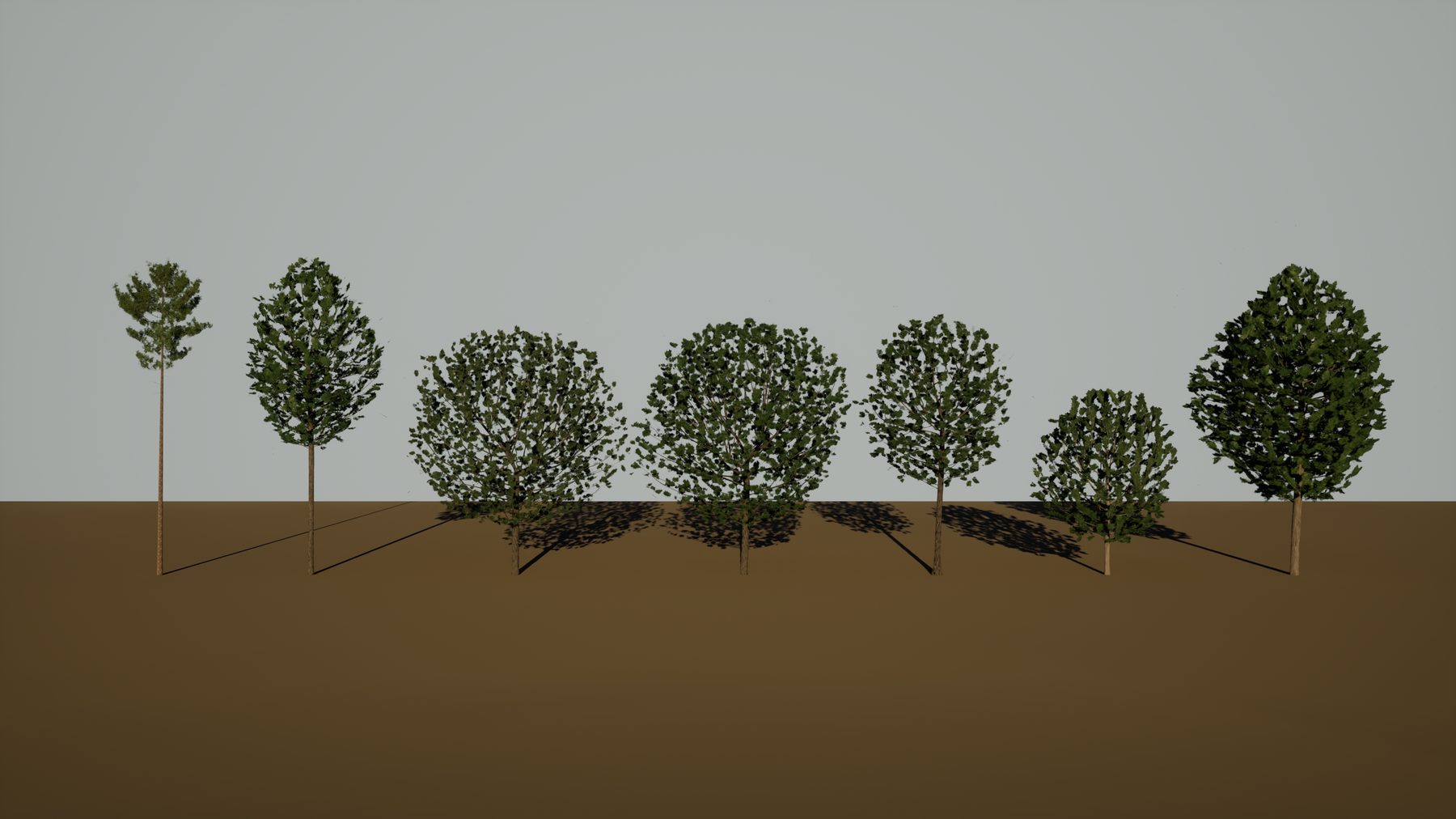
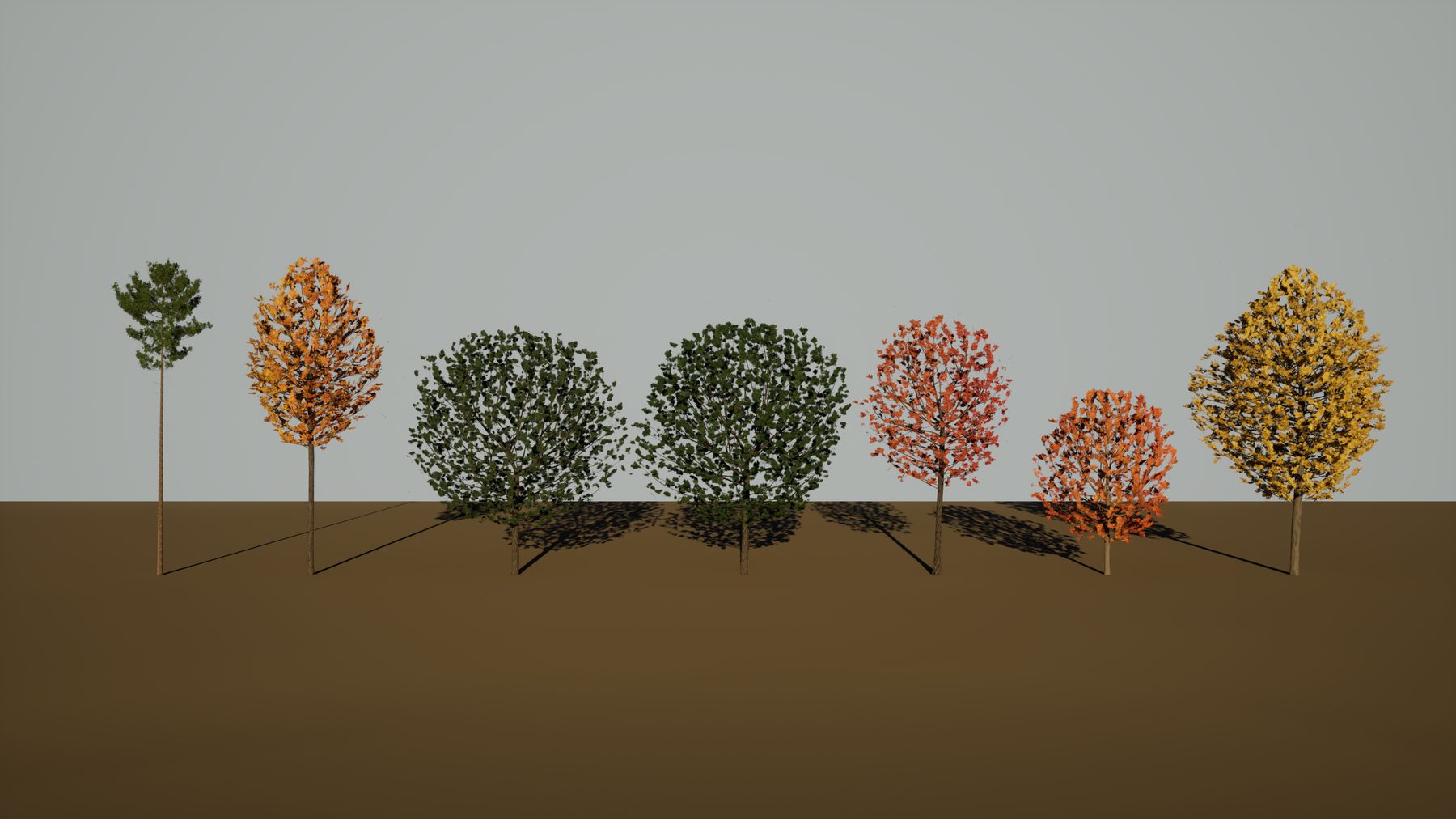
One day-of-year value drives every leaf material. Each species leafs out, turns and drops on its own calendar; each tree a few days off its neighbours.
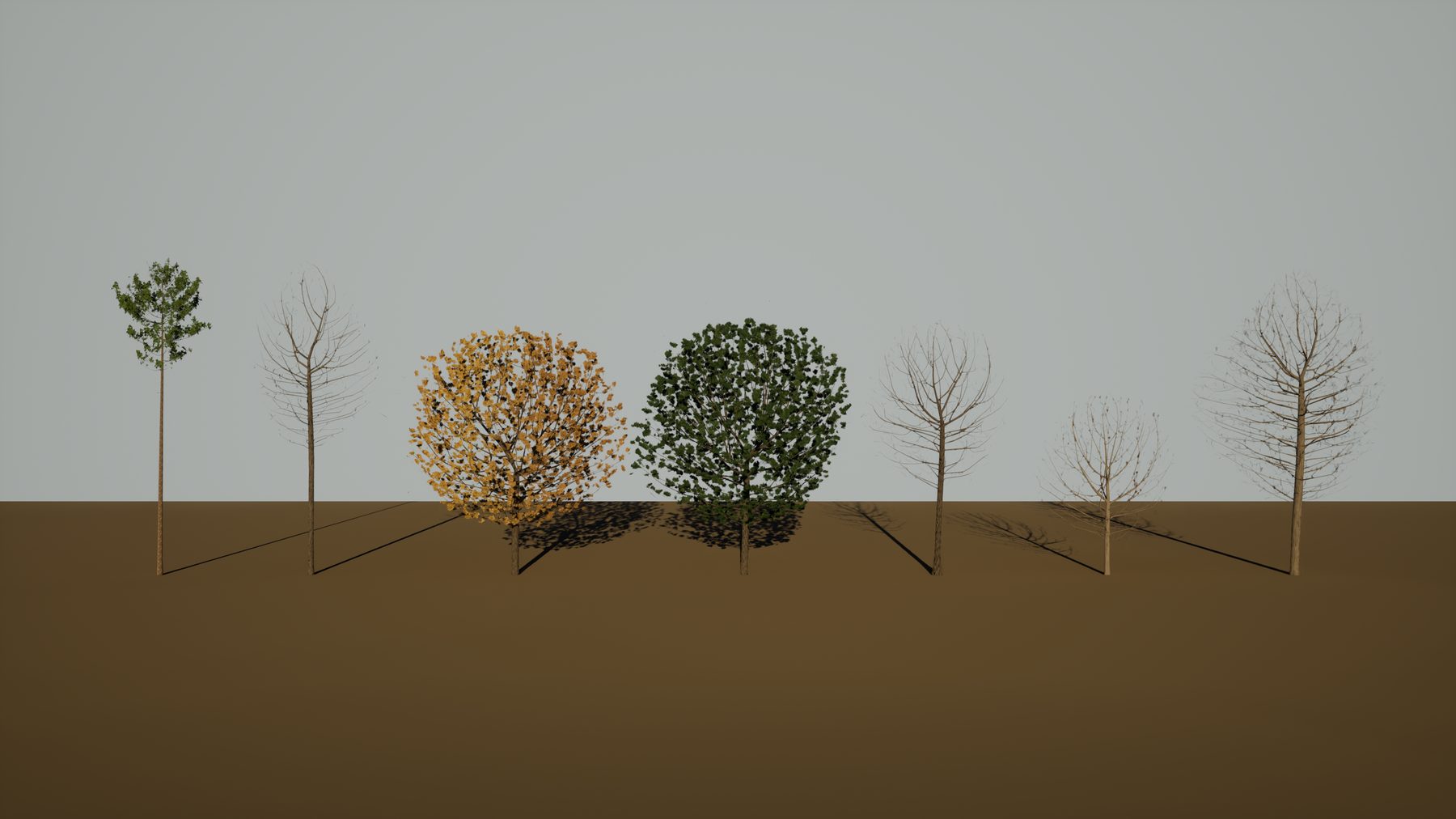
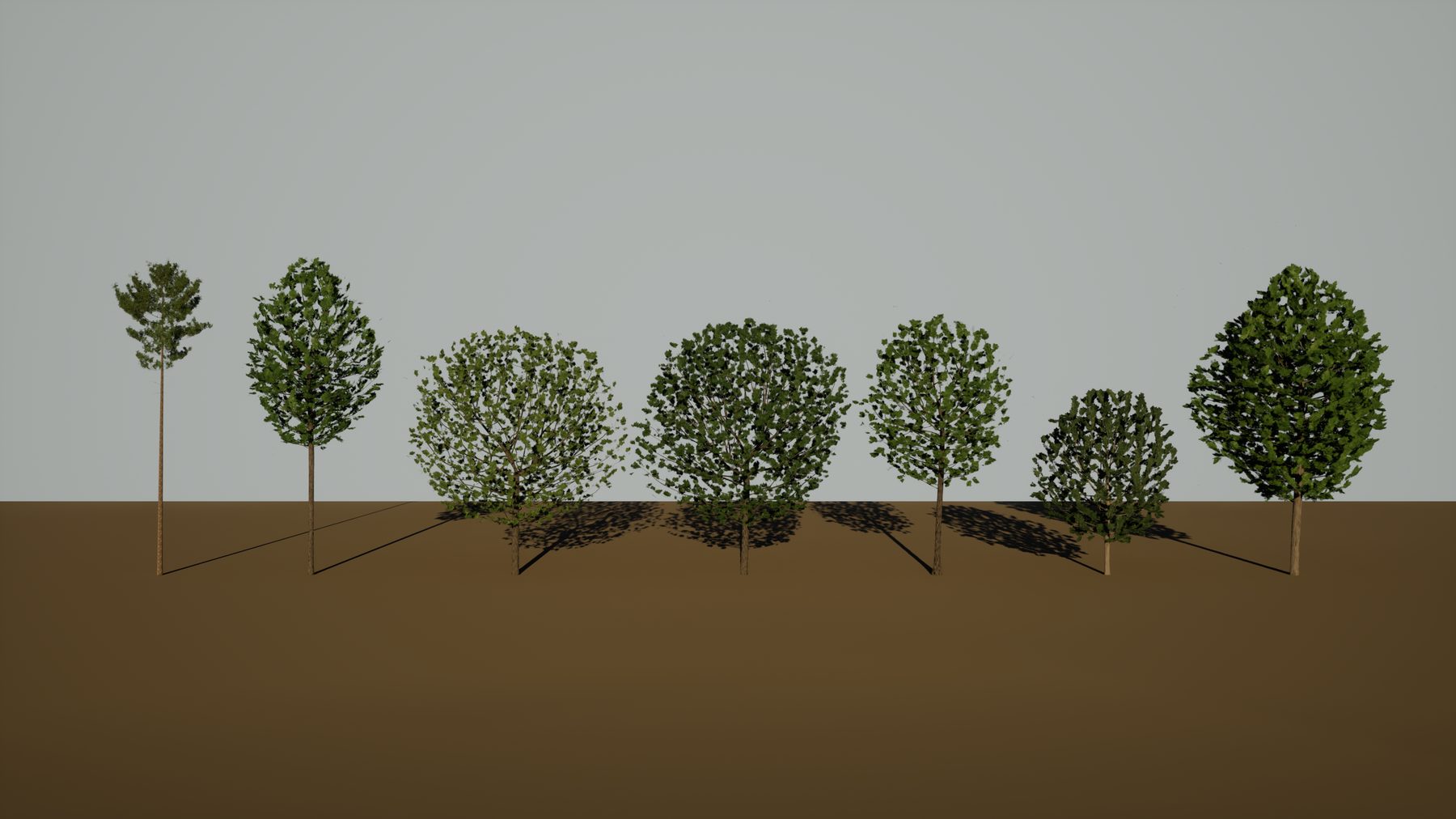
Plate trees, day 15Plate trees, day 94Plate trees, day 196Plate trees, day 308
day 196 · Jul 15

Renders exist for days 15, 94, 196, 308; between them the view blends the two nearest renders. The calendar below is the engine's own schedule for every species.

JanFebMarAprMayJunJulAugSepOctNovDec
Red mapleIn films
Laurel oakIn films
SweetgumIn films
Water oakIn films
Swamp tupeloIn films
BlackgumQueued
White oakBuilding
Black oakQueued
SourwoodQueued
Green ashQueued
Live oakBuilding
SweetbayQueued
34 more species, built on demand
Black willowOn demand
BoxelderOn demand
River birchOn demand
Callery pearOn demand
Winged elmOn demand
American elmOn demand
Florida mapleOn demand
ServiceberryOn demand
SugarberryOn demand
Turkey oakOn demand
Red mulberryOn demand
Post oakOn demand
SassafrasOn demand
Crape myrtleOn demand
White ashOn demand
Black locustOn demand
Striped mapleOn demand
CucumbertreeOn demand
PecanOn demand
Black walnutOn demand
RedbayOn demand
Loblolly-bayOn demand
Ground engine

Fields by the crop calendar

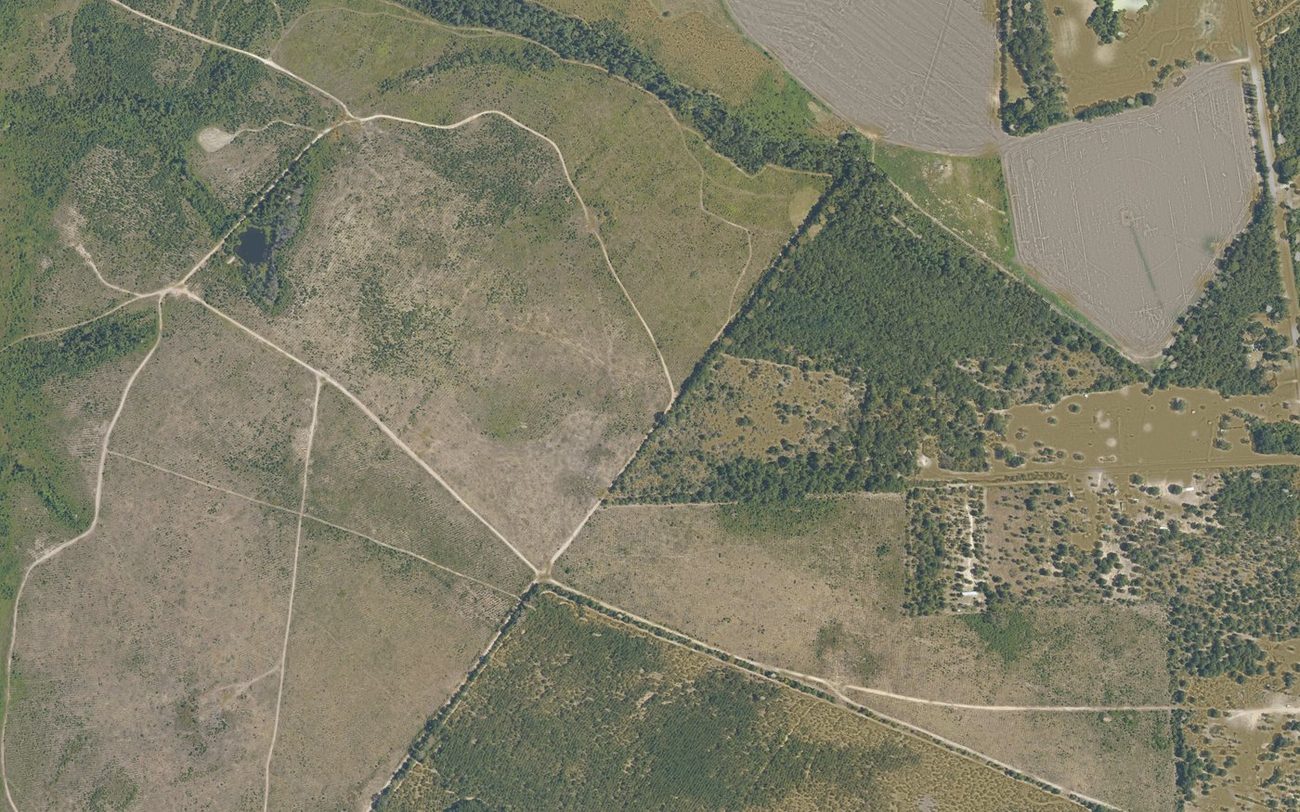
Every 30 m cell of the USDA Cropland Data Layer gets its crop's state for the day: planted, green, open cotton, stubble, dormant, green-up. The aerial photo keeps its detail; only its colour moves.
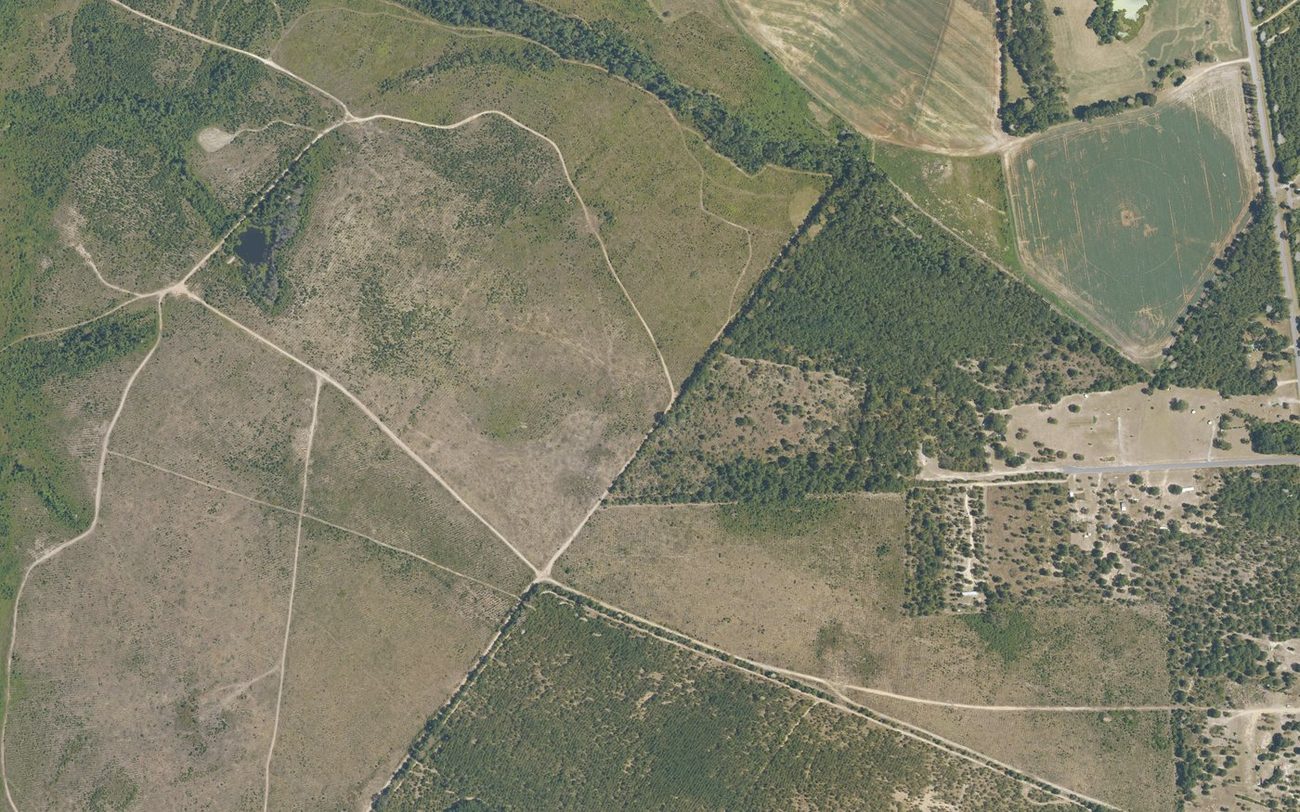
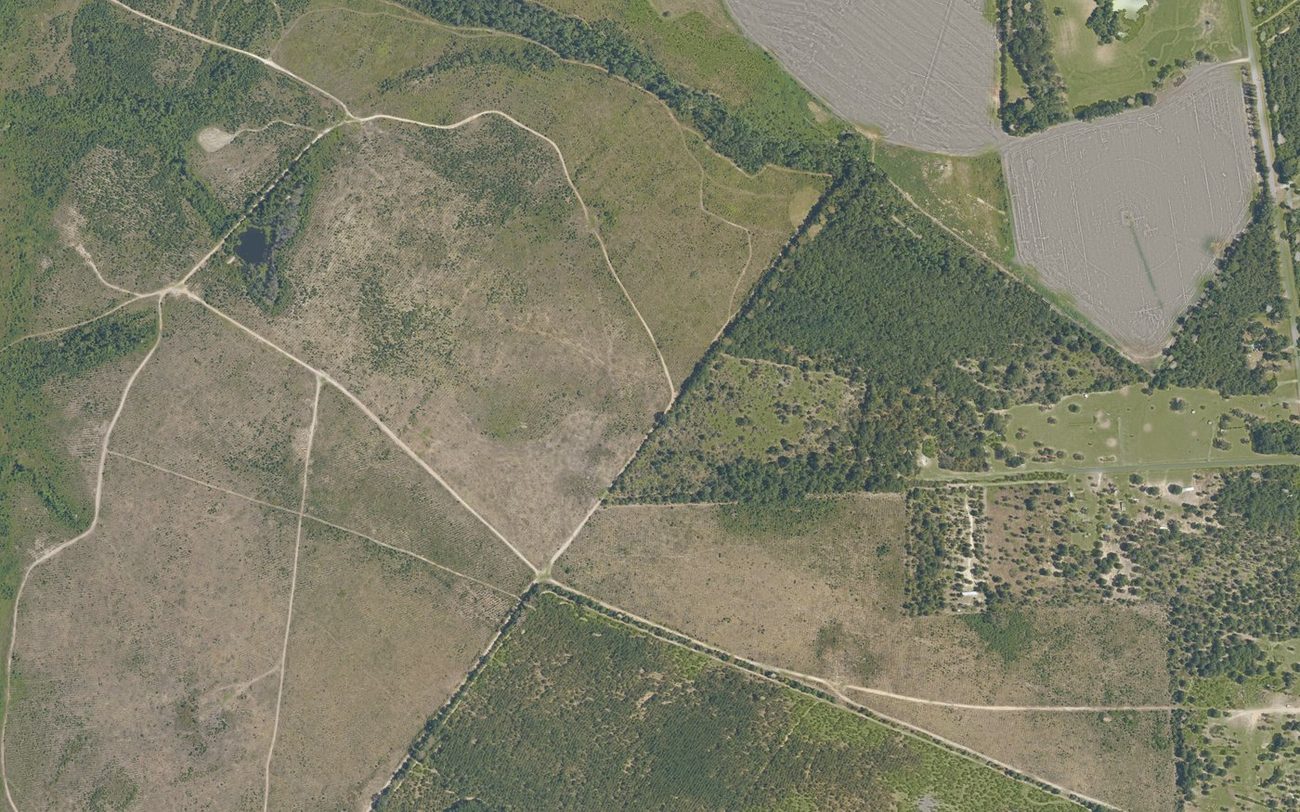
The same aerial photo, jul

About 1.2 km of one property's surroundings, recoloured by naip_season for each day.

JanFebMarAprMayJunJulAugSepOctNovDec
Cotton
Peanuts
Corn
Soybeans
Pasture and hay
Winter wheat
Fallow
Shrubland, young pine
Deciduous forest floor
Bare soilStubbleDormant pastureOpen cottonSoybeans turningSpring green-upSpring flushFall leavesLeaf litter
Species engine

Forest coverage

Species are built in order of their share of the forest's basal area (USDA FIA). A lot's mix comes from its county and the neighbouring counties.

93%Georgia
live 58%with the queue 93%
92%North Carolina
live 56%with the queue 92%
90%Western NC
live 30%with the queue 90%

Georgia's 24 largest species by basal area

Loblolly pine
29.1%
Slash pine
8.6%
Sweetgum
8.1%
Water oak
5.1%
Yellow-poplar
4.9%
Red maple
4.5%
Swamp tupelo
4.3%
White oak
3.4%
Laurel oak
2.4%
Chestnut oak
2.3%
Longleaf pine
2.1%
Southern red oak
1.6%
Pondcypress
1.5%
Scarlet oak
1.1%
Pignut hickory
1.1%
Sourwood
1.0%
Shortleaf pine
1.0%
Virginia pine
1.0%
Sweetbay
0.9%
Eastern white pine
0.9%
Black cherry
0.9%
Live oak
0.8%
Blackgum
0.8%
Green ash
0.7%
In filmsBuilt, in reviewBuildingQueuedOn demandNot designed